Tazapay is a Singapore-based fintech enabling secure B2B payments worldwide, giving businesses access to a global network of currencies and payment methods.
I joined as employee number two. Three founders, a head of product, no product, no roadmap. Over four years we built Tazapay from seed to Series B, with card coverage across 173 countries and 70+ local payment markets.
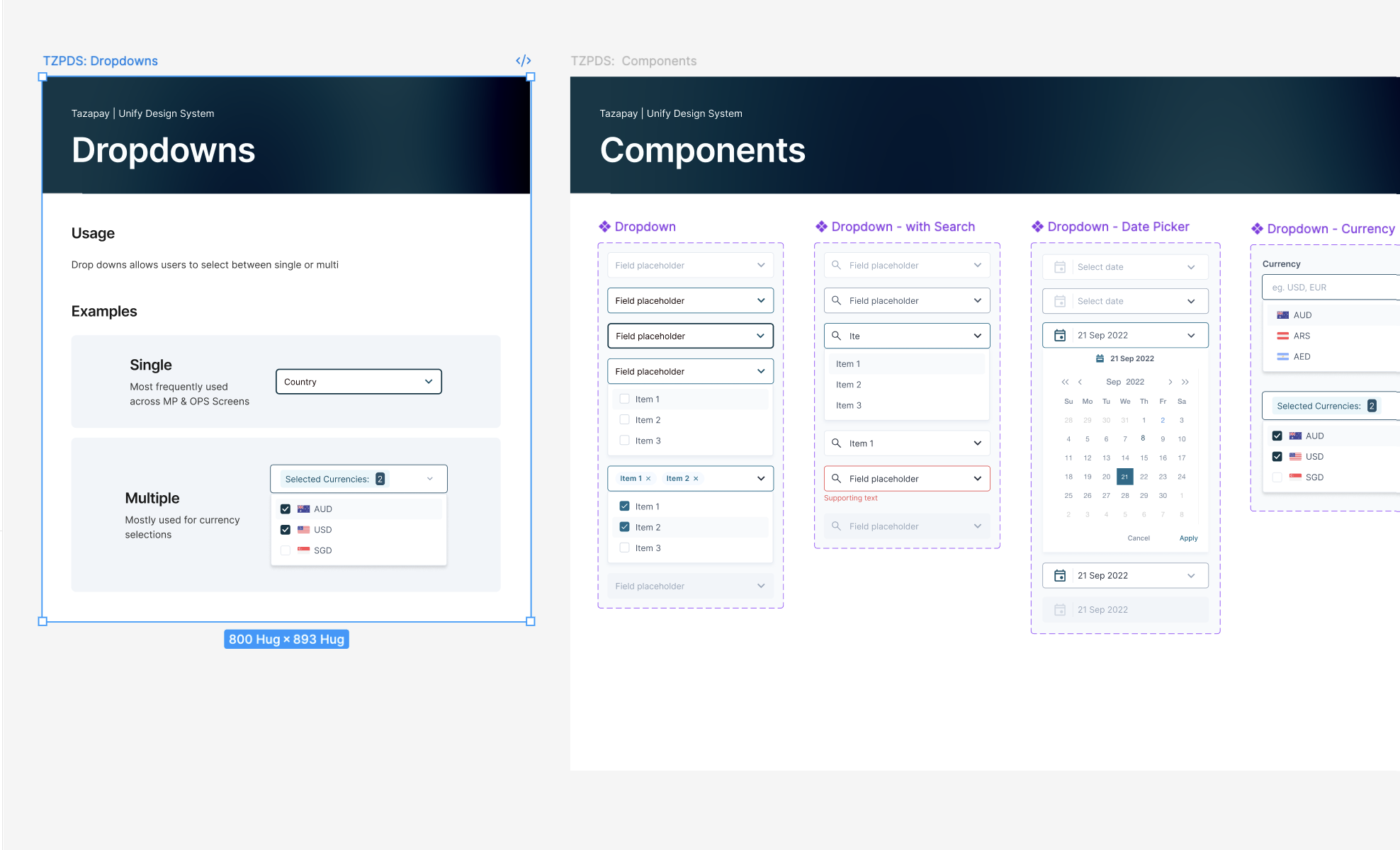
As founding designer, I built the design backbone of the company. The design system, the internal tooling, and the process for how product decisions got made, scoped, and shipped across product, operations and marketing.
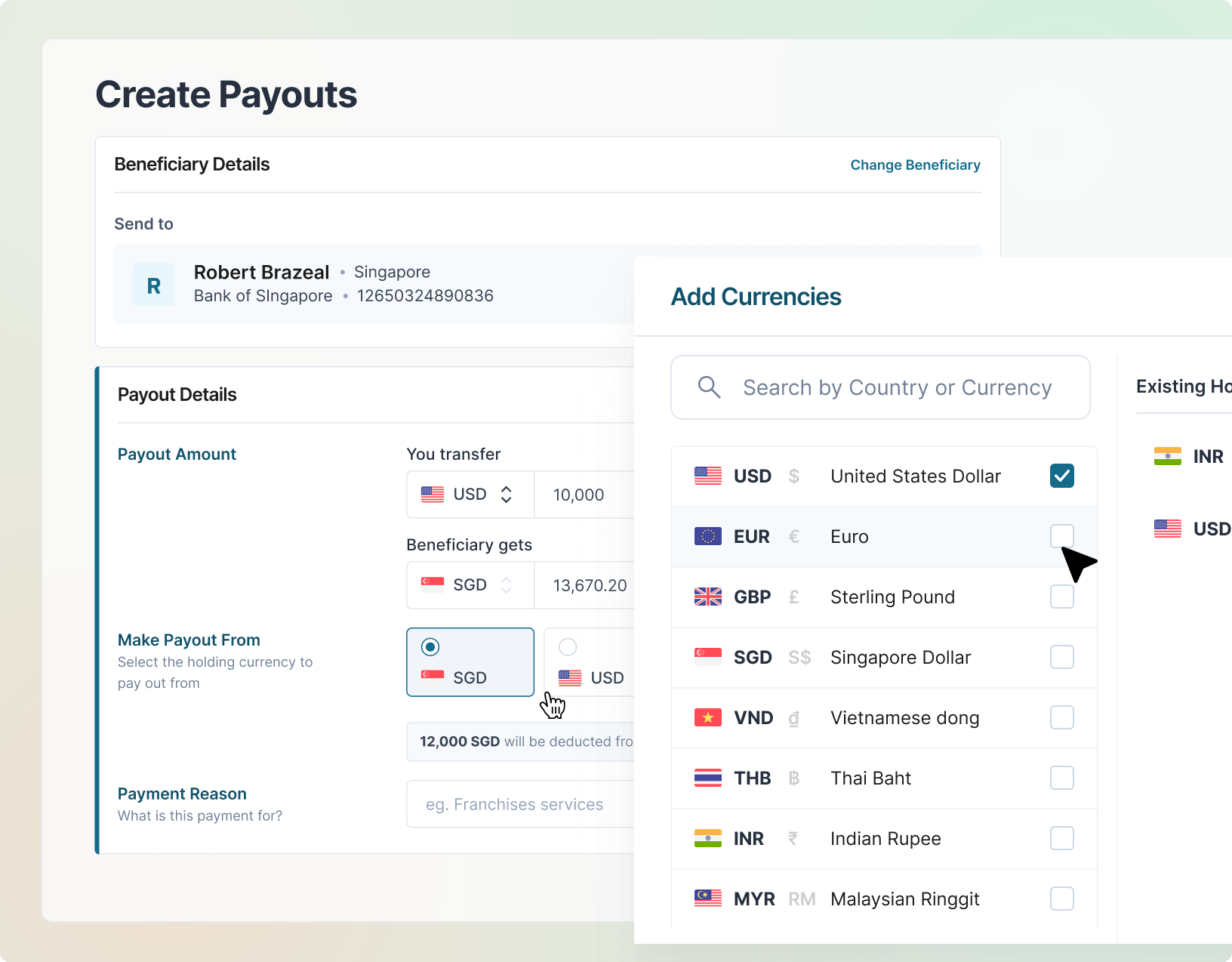
No roadmap. No brief. No product to reference.
Working directly with the founders to define the initial scope, I ran early merchant interviews, mapping the transaction flow end to end to locate the biggest friction in their payments process.
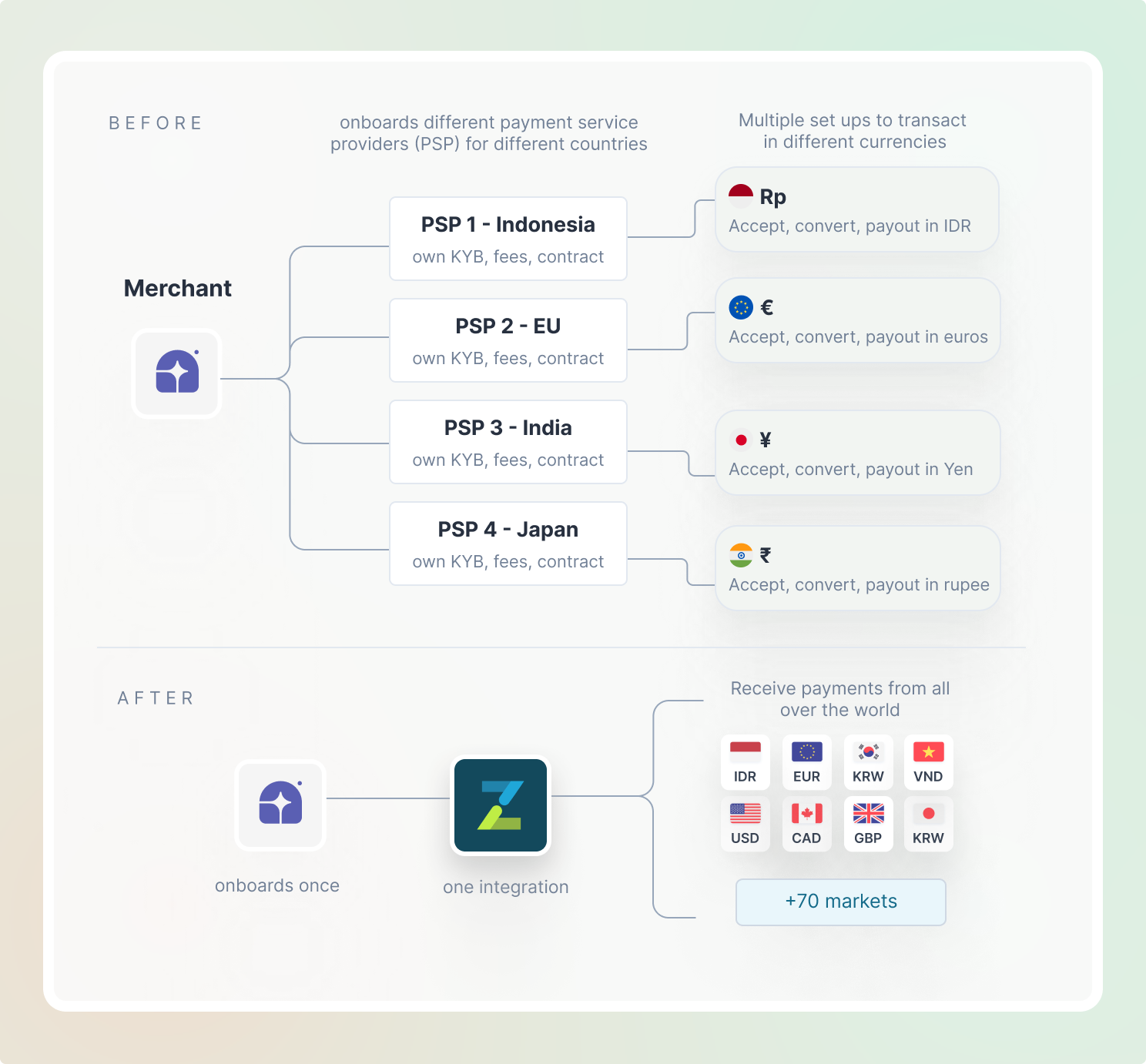
Our initial hypothesis pointed to speed as the primary pain point, but the interviews revealed a greater problem: merchants were spending significant effort managing multiple payment processors to collect funds from different countries, each with its own onboarding process, KYB requirements, and corridor fees. This real insight provided a breakthrough in Tazapay's product direction: the ability to onboard a merchant once and reach multiple geographies became the core differentiator.
As the company grew, my focus shifted from "get it out" to "make it work at scale."
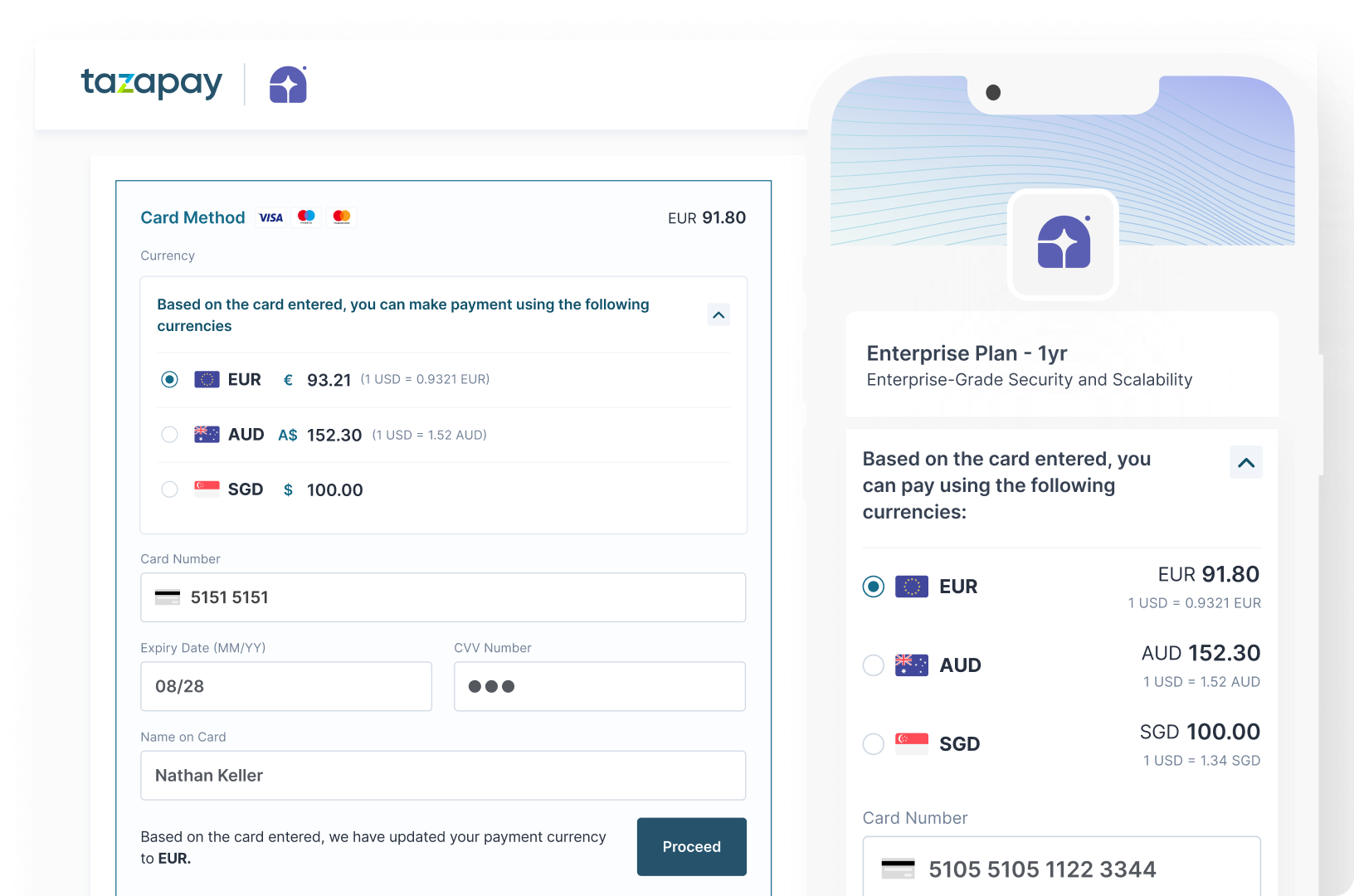
Product workflows across markets: Expanding to new countries meant each market had its own compliance requirements, local payment methods, and edge cases. KYB was especially complex. What a business needed to prove its legitimacy in one country looked entirely different in another. I worked with the product and compliance teams to redesign our core flows to be flexible by default: built once, adapted per market rather than rebuilt from scratch every time.
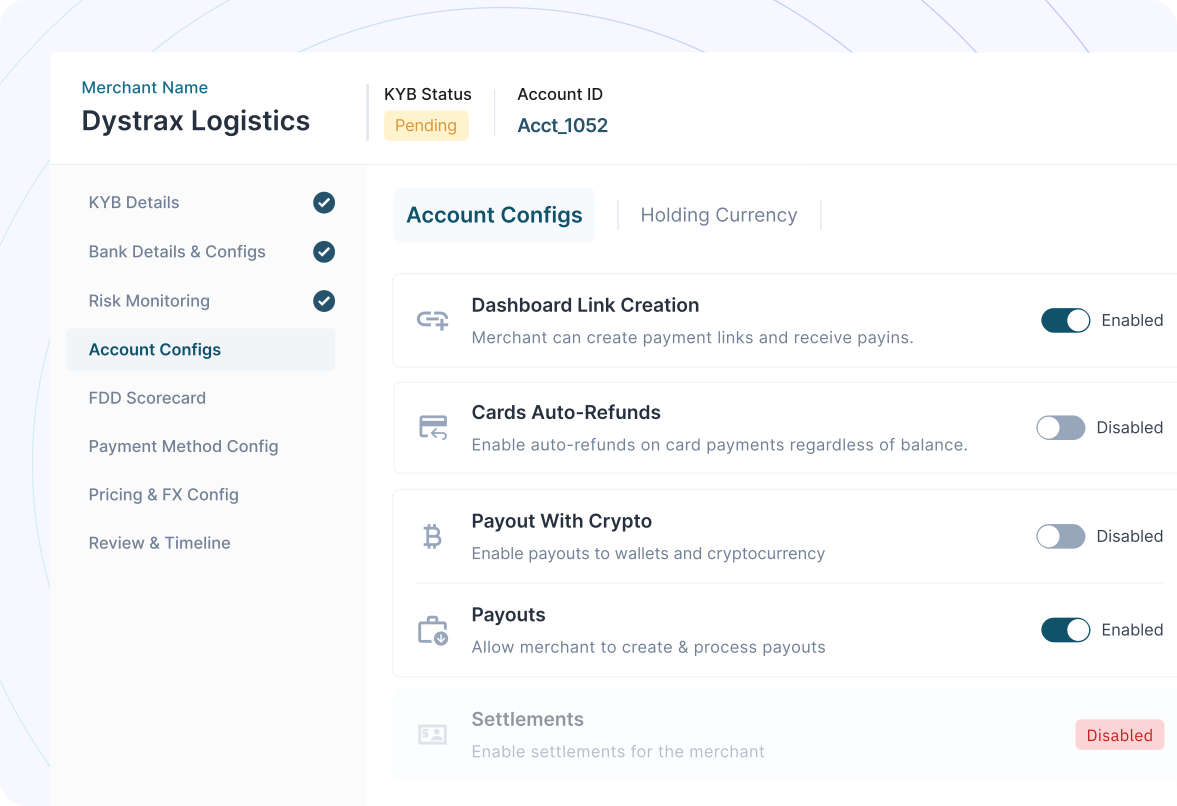
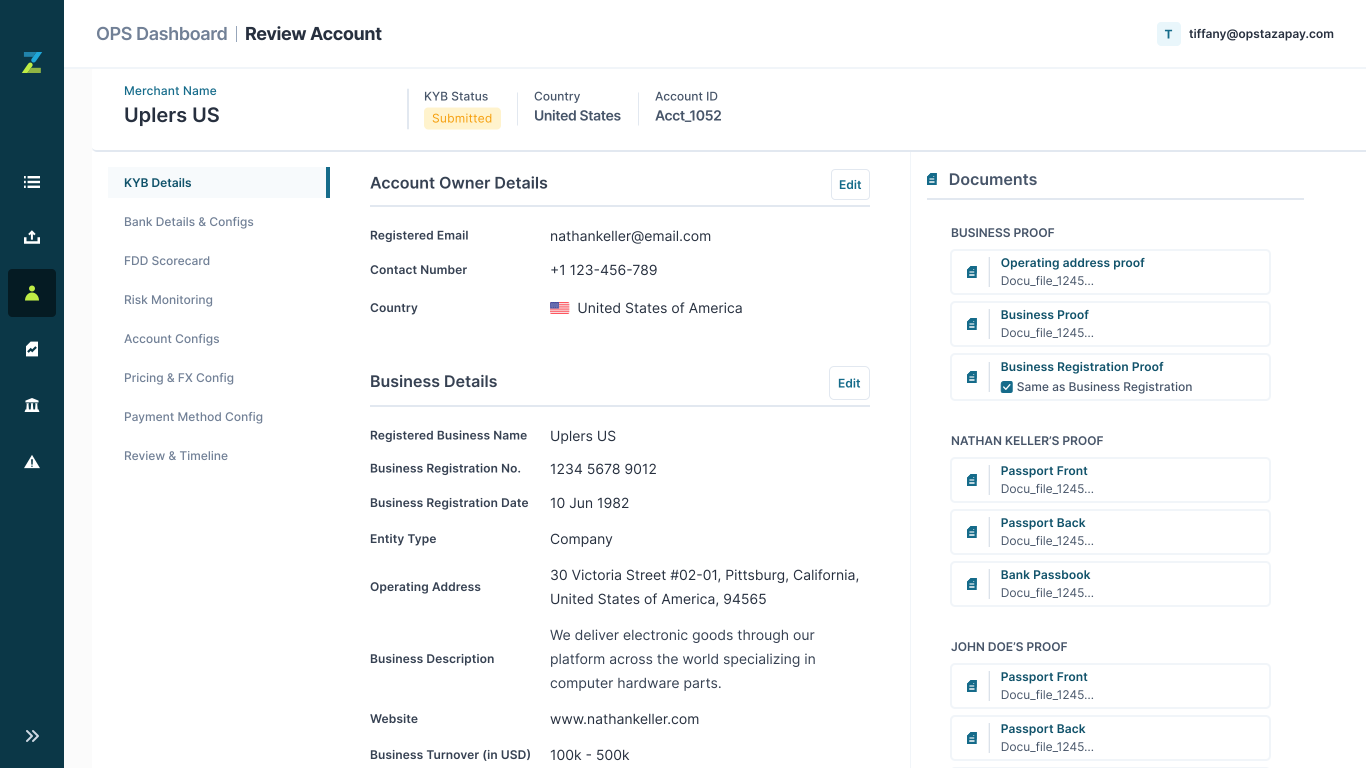
Internal tooling for the ops team: Managing cross-border transactions at scale meant the ops team was constantly handling exceptions: compliance flags, failed payouts, KYB edge cases. One of the biggest friction points was security: sensitive documents were being shared over email, creating both compliance risk and audit headaches. I embedded with the ops team to understand what was slowing them down, then led a platform redesign that centralized document handling inside a purpose-built ops dashboard. Transaction monitoring time dropped from 1 hour to 20 minutes, and KYC review time dropped from 40 minutes to 15. Sensitive documents, previously sent via email, were now uploaded directly to the dashboard, giving the team full visibility and control.
I established how product decisions got made: how we scoped work with engineering, how we handed off, how we handled it when compliance requirements changed mid-build.
I hired and led a team of four inside the first year. I split ownership by product area, ran weekly critique, and set shared design principles so the team could move quickly without the product drifting out of consistency.
Underneath that: Figma component libraries, documented interaction standards, and a handoff process with engineering — the scaffolding that let a small team hold a growing surface area. I also set how product decisions got made: how we scoped with engineering, how we handled compliance requirements that changed mid-build. In a regulated domain a small team either has that process or it breaks; I built it.
Being founding designer meant staying proactive: finding faster ways of working, constantly looking out for areas to optimize, and building real collaboration with engineering, operations, and marketing before anyone asked for it.
Working in a complex domain like payments required thinking in systems and holding a bird's-eye view across a product lifecycle far longer and broader than typical design scope. Looking back, what made those four years formative was the culture we built around trust, where mistakes surfaced early and got fixed without blame.

"Tiffany joined us as employee number two, and from day one, she brought a level of craft, thoughtfulness, and ownership that helped set the tone for design in Tazapay. Tiffany played a foundational role in shaping who we are and how we're perceived, and her work continues to be felt across the product today."
Rahul Shinghal, CEO — Tazapay"Tiffany was instrumental in shaping the product experience during Tazapay's early growth stages. She designed thoughtful visual solutions for complex merchant flows and connected them seamlessly to the backend operational workflows that supported them."
Aayush Singhania, Head of Product — Tazapay