A 12-week project to envision the future of healthcare for Singapore. The client — a global investor arm under Singapore's largest state-owned enterprise — tasked the team with articulating a future version of healthcare that is empathetic, collaborative, and patient-centric.
My work spanned in-depth research to understand the current landscape and opportunity spaces, then developing core experience principles and future concepts intended as service standards across the client's geographical assets.
Healthcare is immensely complex. Where should we even start?
Designing for healthcare is inherently difficult — many overlapping systems, considerations, and obvious areas to improve. Taking a human-centered approach, we focused on the human experience of healthcare: what people think, feel, and interact with.
Using design thinking as our methodology, we created future scenarios that were immediately tangible — new spaces, products, interactions, and tools.
To get a comprehensive understanding of the care experience, we spoke to patients and caregivers across the spectrum of age and ailments.






Patients and caregivers are only half of the equation. Care professionals are equally important — they're the ones delivering the experience to those in need — so we made sure we listened to the struggles of care providers and professionals too.
We spoke to over 36 individuals — patients, caregivers, and health professionals. For 90 minutes each, we went deep on their experiences with healthcare. Through empathy mapping and journey mapping, we captured the vivid emotions and pain points they experienced along the way.
One person stayed with us: Kenneth, 32 — an overworked young doctor.
"I chose to be a doctor to help people, yet I feel so helpless at my job."
"I know it's important to treat the patient not just as their organs, but as the whole person too… but I really have no time."
"Patients don't listen to us anymore. With Google, they think they know as much as we do and don't trust our expertise."
Kenneth, 32 — Overworked young doctor
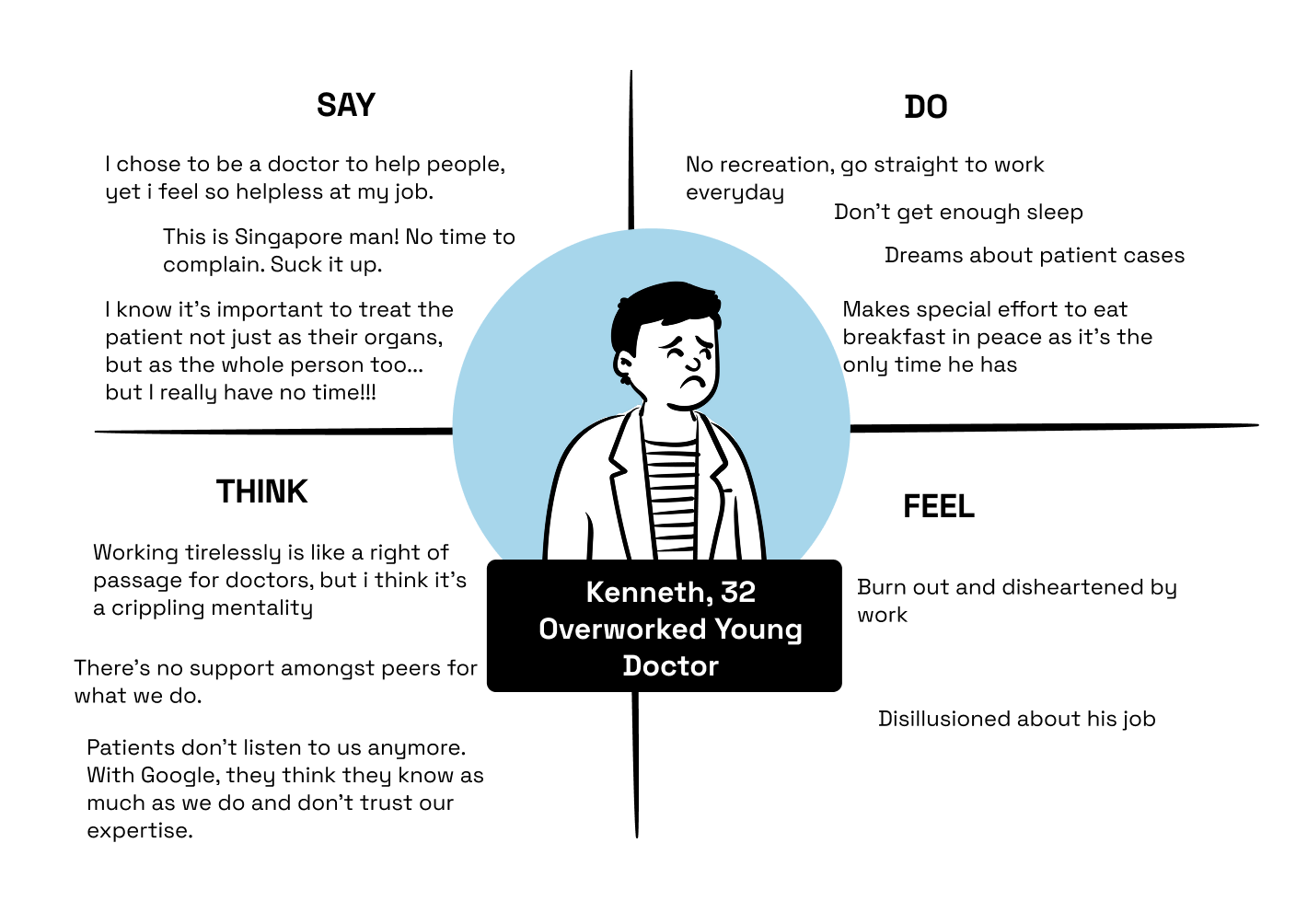
Behind the quotes, his empathy map told a fuller story: no recreation and straight to work every day, not enough sleep, dreaming about patient cases, a special effort just to eat breakfast in peace — burnt out, disillusioned, and with no support among peers for what he does.
Comparing two cancer journeys to find the moments that matter.
We compared the experiences of Cheryl and Millie — two people with vastly different experiences of cancer. We asked interview subjects to plot their own healthcare journeys for two reasons: to help them recall what they actually experienced, and to surface the moments with the strongest emotional charge, where a redesign would be most impactful.
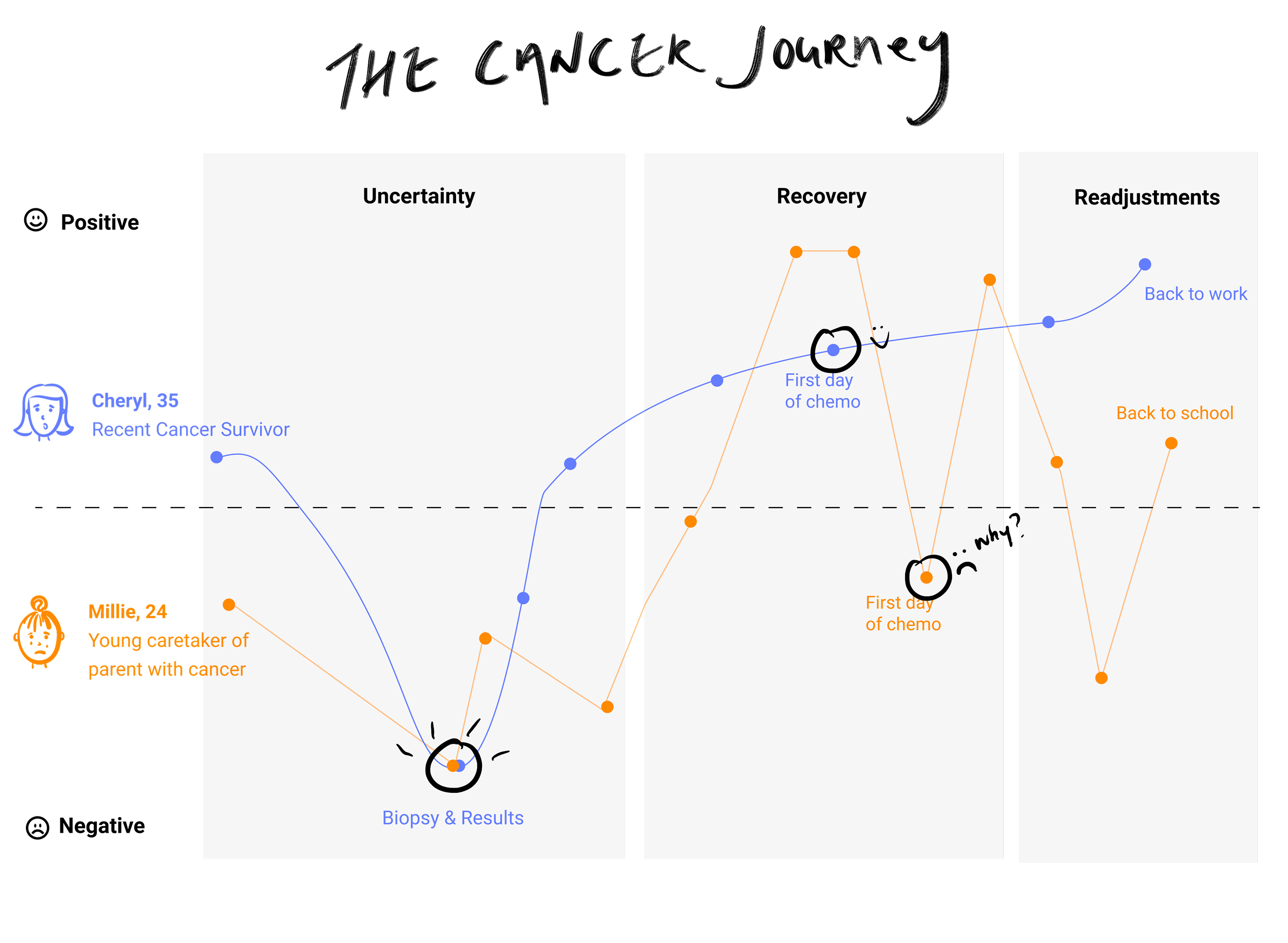
"I'll never forget the day it was confirmed. I never knew I could feel so… devastated. What is going to happen to my two daughters?"

"When they told us the news… it took me a long time to react. I really didn't know what to do after that."

"The nurses took such good care of me — they saved my favourite seat in the clinic and greeted me like a friend. I felt a lot better because of that."

"I felt so bad that I couldn't be there with my dad for his first chemo. He sent us pictures of the clinic and the apparatus and I was so worried — it looked so painful."
Why was Cheryl's journey so optimistic while Millie's was full of ups and downs?
Comparing the journeys surfaced three principles for a better experience.
From Cheryl and Millie's journeys, we recognized that the first impactful moment of care starts at the very beginning. We prototyped a future concept around a care team that extends beyond the hospital.
A care team beyond the hospital
Introducing a care team that can give advice outside the confines of a hospital helps prevent uncertainties from building up. A patient's health worries become a team effort, relieving considerable load from doctors and nurses.
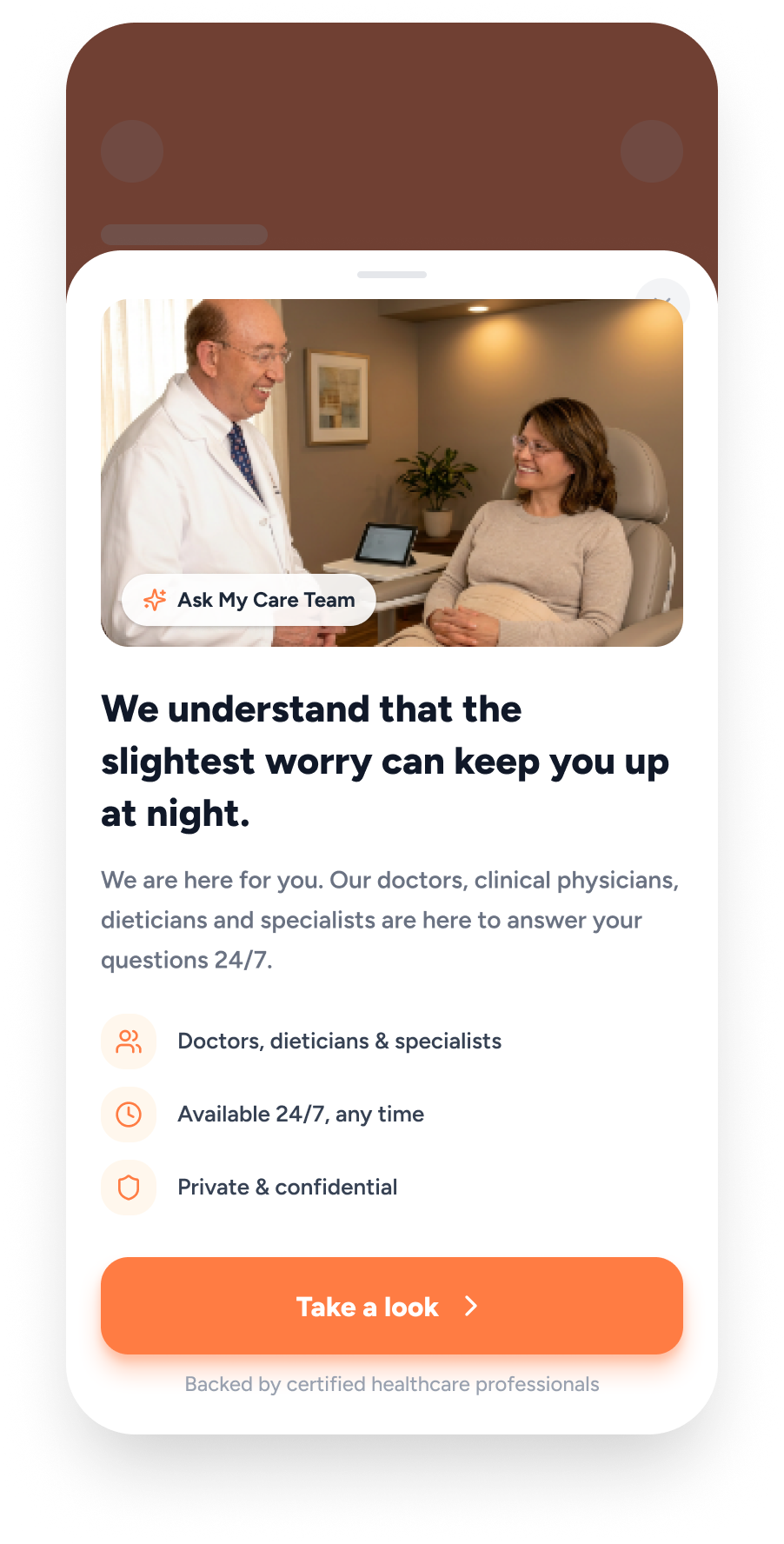
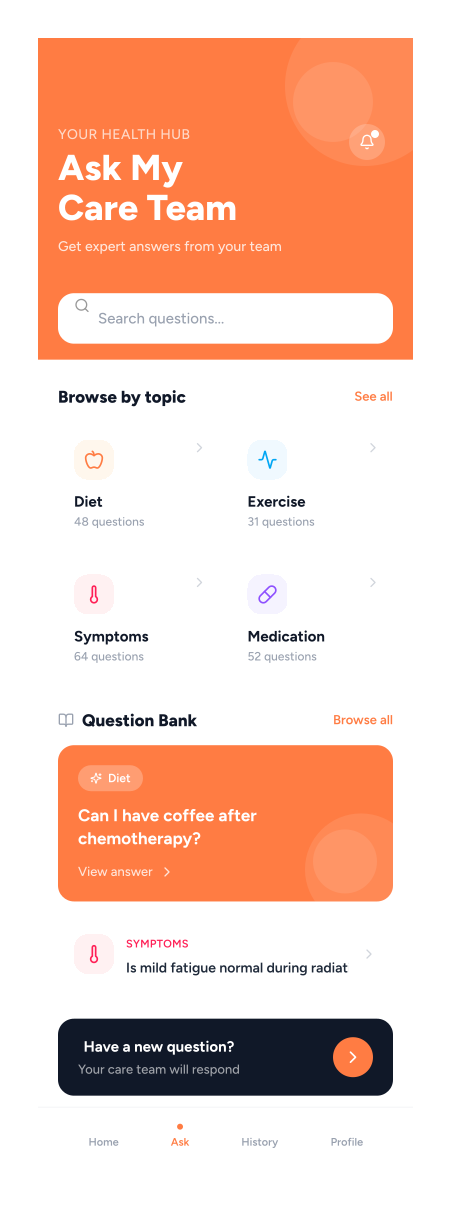
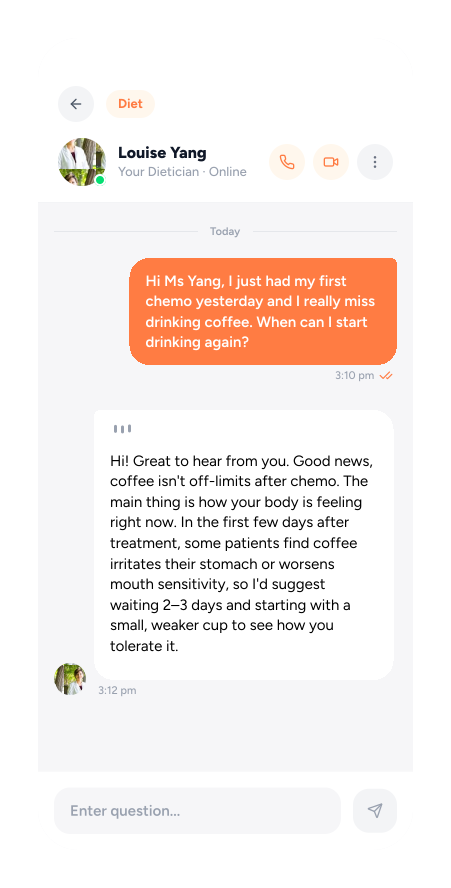
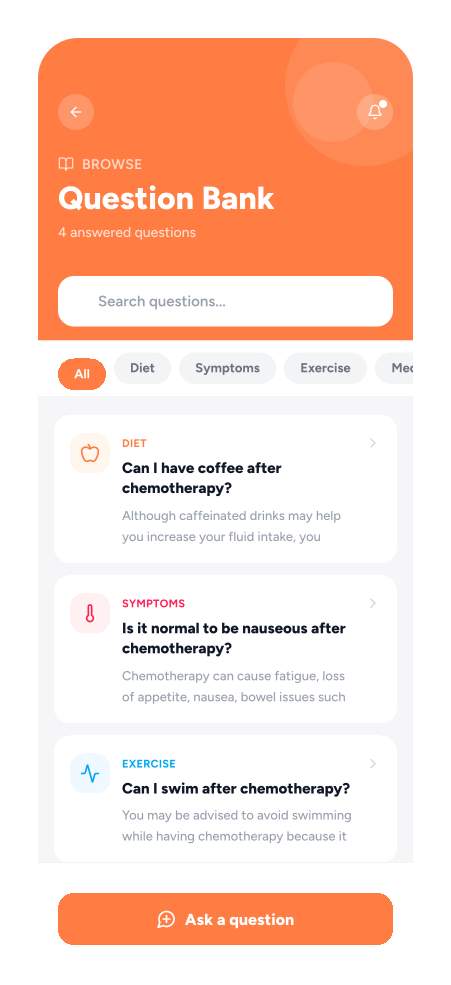
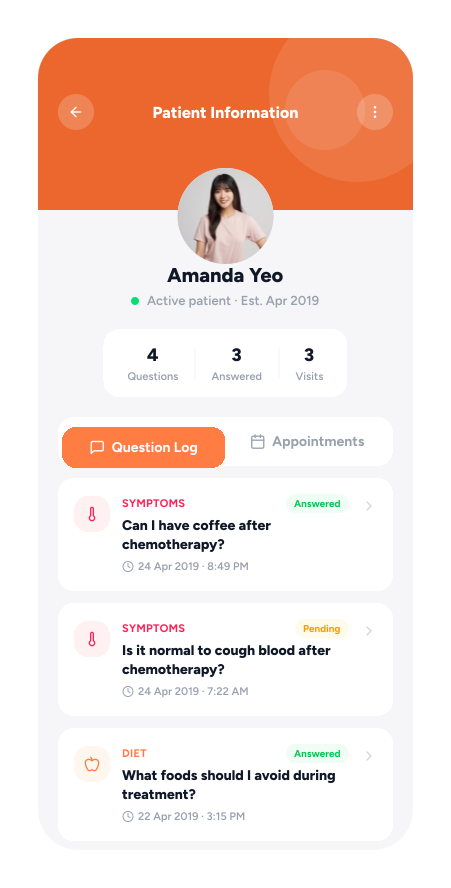
Doctor's view. A doctor's advice is only as helpful as what the patient lets in during consultation — and doctors often miss critical information because patients are vague about what's affecting them. With a view of the patient's question log, doctors get a more accurate picture and give the right advice. The greater the transparency, the less room for doubt, and the stronger the doctor–patient relationship.
Due to the stakes involved, healthcare is a challenging domain to design for. These are small steps in moving the needle — toward a more collaborative, empathic, and compassionate future in healthcare.